



Moongreens Sleep Mask
- Regular price
-
$29.00 - Regular price
-
- Sale price
-
$29.00
Moongreens Sleep Mask
Most sleep masks either let light in or press against your eyes all night. This one does neither.
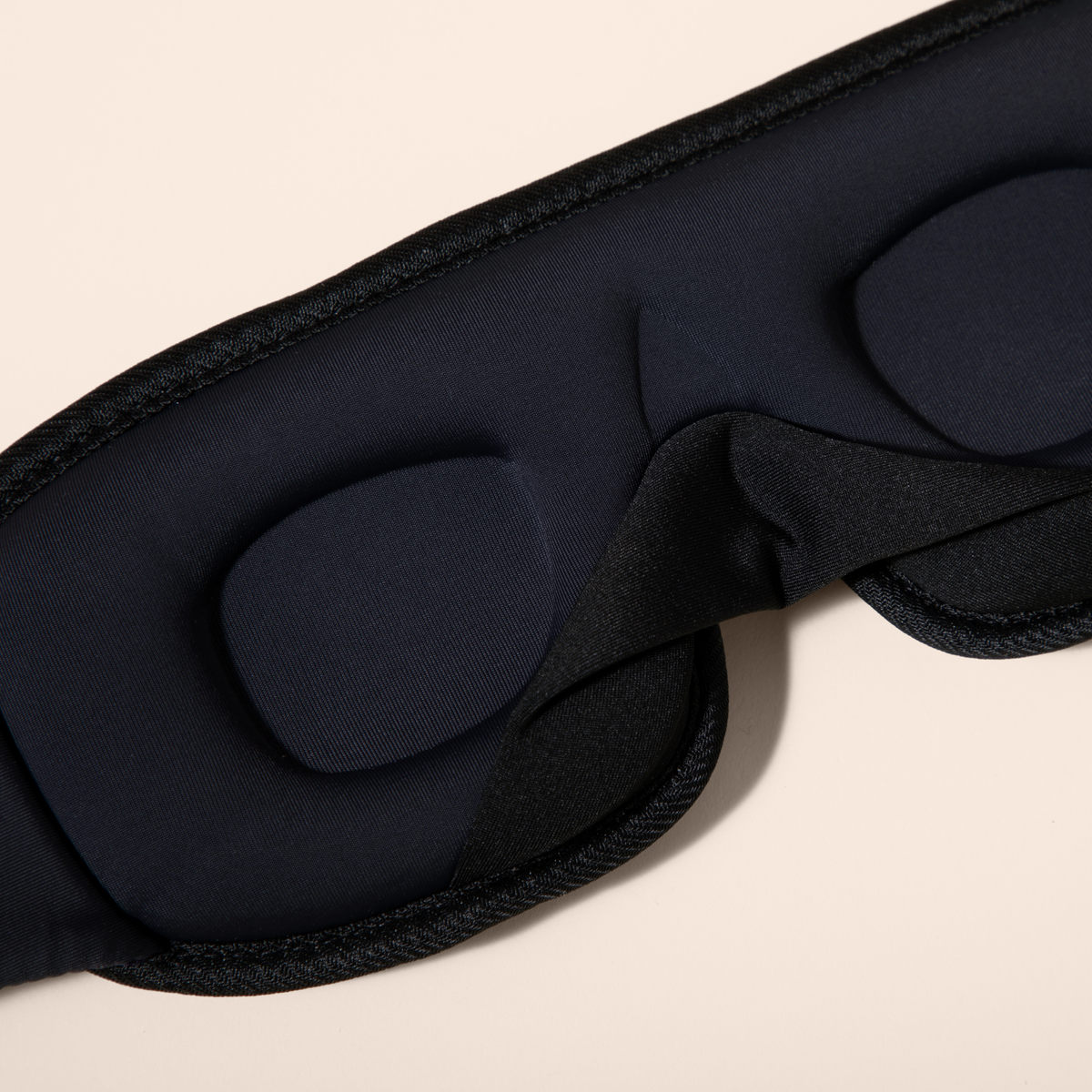
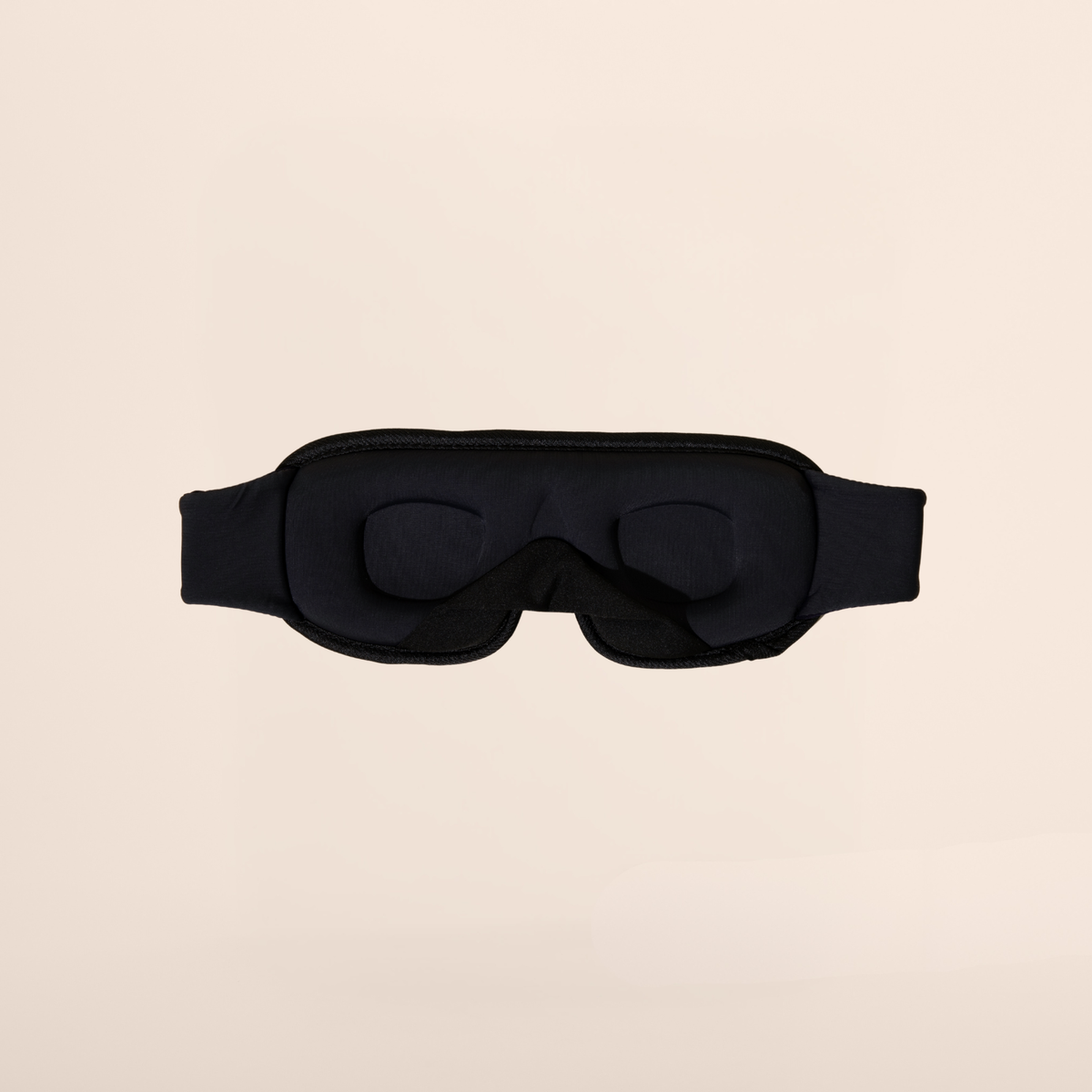
A contoured shell keeps the fabric off your eyelids, so you get real darkness without the flat-mask crush. You can still blink and move without waking up with a crease down your cheek or your lashes pressed flat.
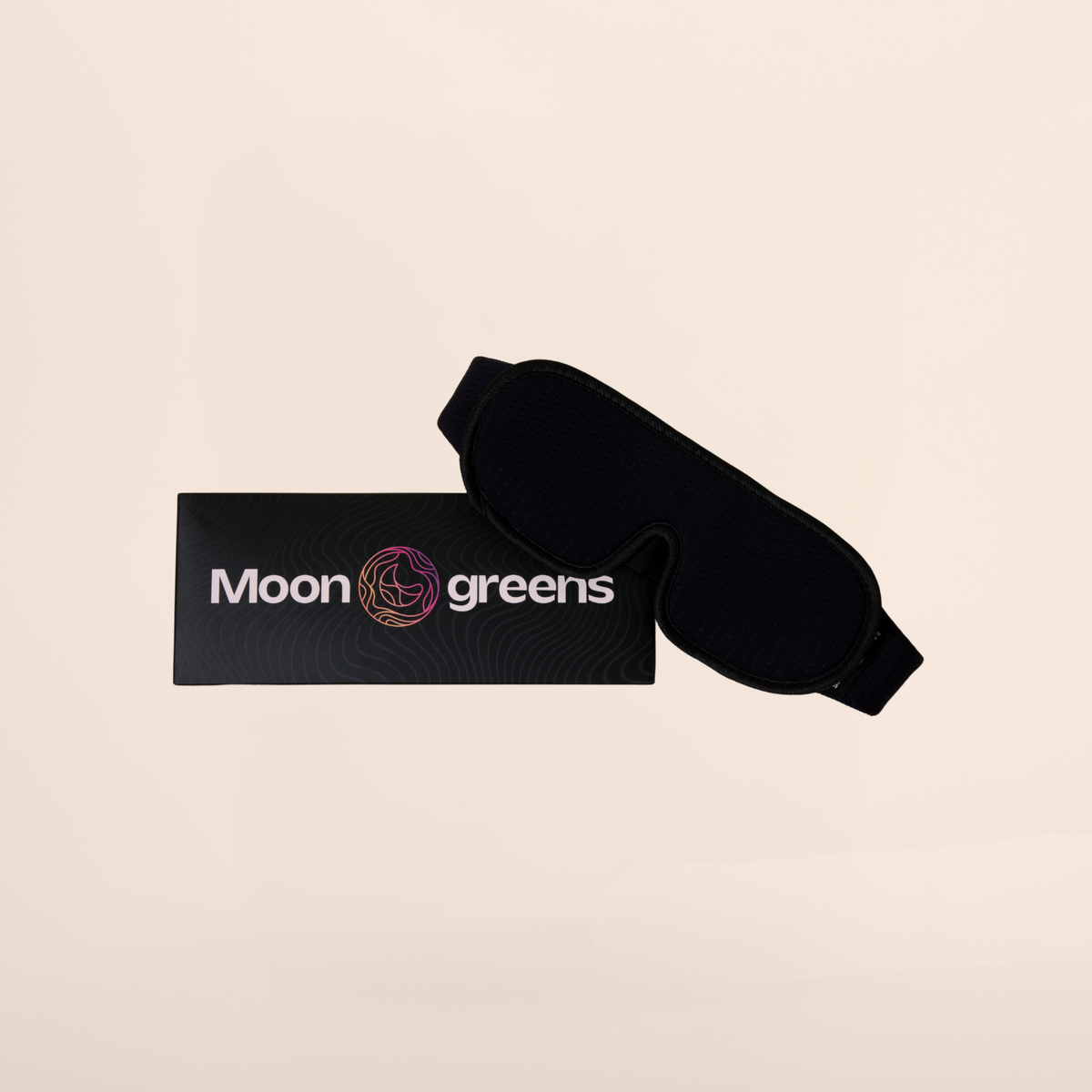
It's lightweight, breathable, and built to survive a carry-on, not just sit in a nightstand drawer. Comes in navy with black trim, an adjustable strap for a fit that stays put, and its own carry bag so it isn't loose at the bottom of your luggage.
- Contoured shell, no contact with your eyelids
- Adjustable strap, stays put all night
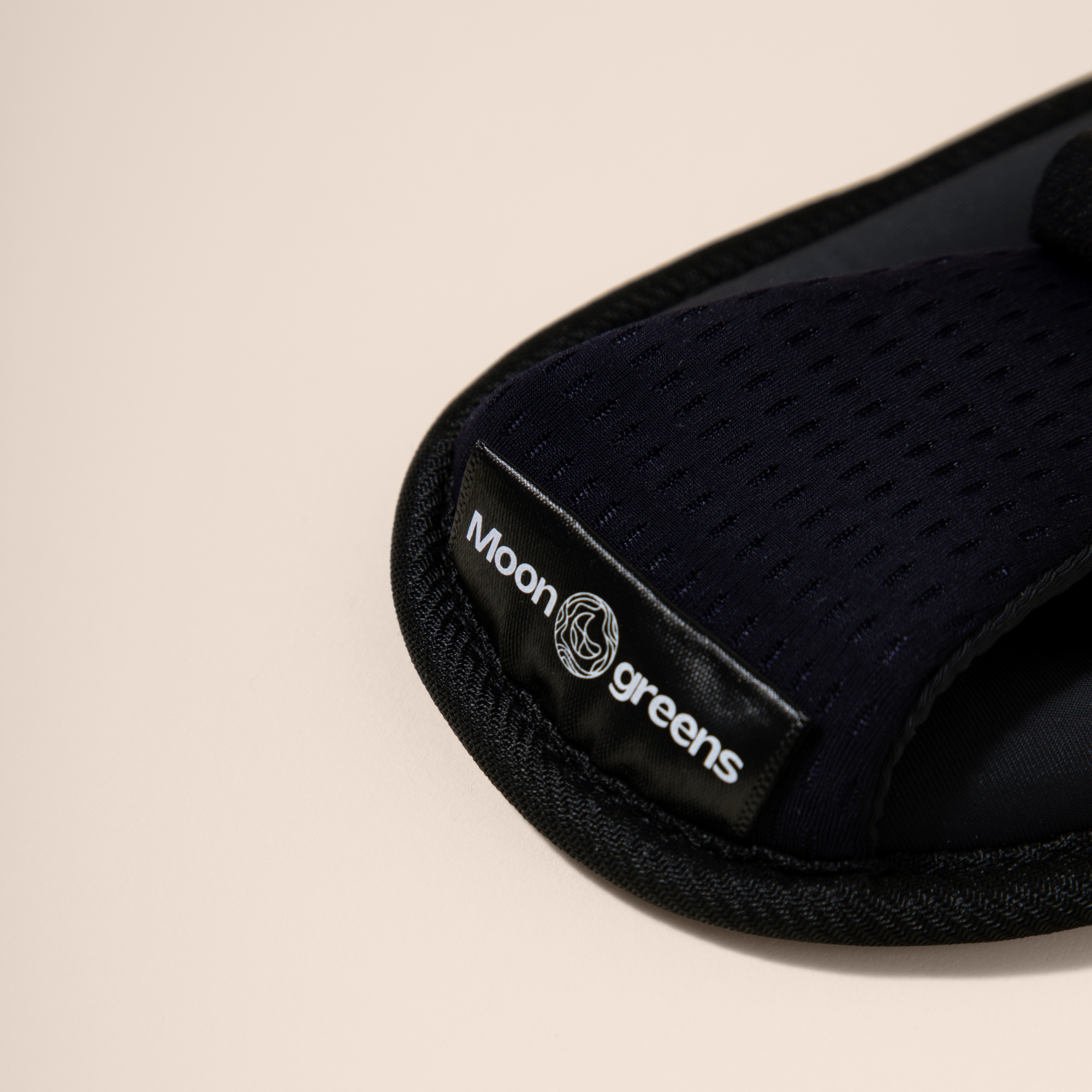
- Breathable fabric, built for travel
- Includes a carry bag
Included free with your first subscription order, or available on its own.
Couldn't load pickup availability
What's in the box
Currently in production Ships from May 2026.
You will be notified with shipping updates and information when your Moongreens starts its journey to you.
Care
Wipe clean with a damp cloth or hand wash in cold water. Air dry flat. Don't machine wash or tumble dry; it'll distort the contoured shell.
Shipping
Free shipping on every order. Ships from our US fulfilment centre. You'll get a tracking email once it's on its way.
Sleep in actual darkness.
Most bedrooms aren't dark. They're 10–50 lux. Your brain notices every photon. This mask fixes that.
Start your subscription


Light is information. Your brain never stops reading it.
Even with the lights off, the average bedroom sits at 10–50 lux — standby LEDs, streetlights through curtains, a charging phone face-up. That's enough for your suprachiasmatic nucleus to suppress melatonin production and keep you in lighter sleep stages.
The threshold is lower than people think. Exposure to as little as 3 lux during sleep measurably shifts your circadian timing. Dim isn't dark. Dark is dark.
A properly sealed sleep mask is the single cheapest intervention that works. The research on light-blocking and sleep quality is unambiguous. We tested over 100 masks to find the one that didn't cause a different problem.
Sleeping in total dark isn't aesthetic.
It's physiology.
One hundred masks.
Four things that actually matter.
The checklist every mask should pass.
Most fail at step one.
| What matters | Moongreens Mask | Generic sleep mask |
|---|---|---|
| Complete light seal (0 lux at the eye) | ✓ Measured zero | ✗ Light enters at nose bridge |
| 3D contoured cups (no eyelid contact) | ✓ Eyes float free | ✗ Flat foam on lids |
| Stays in place all night | ✓ Velcro retention | ✗ Elastic slips forward |
| Breathable face material | ✓ Low heat retention | — Usually synthetic |
| Fits all head sizes and sleep positions | ✓ Wide velcro range | — One elastic size |
Free with your subscription.
$29 if you just want the mask.
Tested across 100+ masks. Kept the one that actually seals light, stays on, and doesn't press your eyelids. Included with every Moongreens subscription at no extra cost.